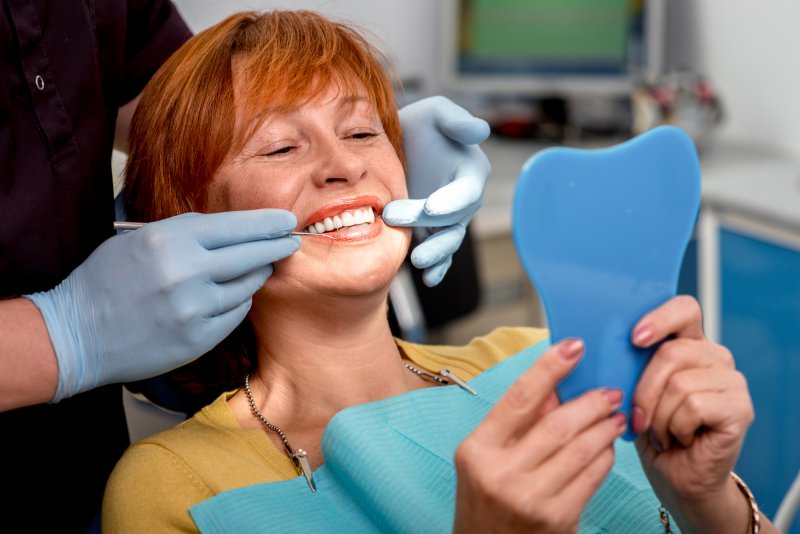
Proper denture care extends the life of your restoration, prevents oral infections, and saves money on repairs and replacements. This evidence‑based guide covers daily cleaning, overnight soaking, professional maintenance, and common mistakes to avoid.
Table of Contents
Key Takeaways (TL;DR)
- Clean dentures daily, not just rinse: Use a soft denture brush and non‑abrasive cleaner. Regular toothpaste scratches acrylic, creating places for bacteria to hide.
- Soak overnight in a denture solution: Never let dentures dry out – they warp. Use alkaline peroxide tablets (e.g., Efferdent, Polident) to kill bacteria and dissolve protein deposits.
- Never sleep with dentures: Wearing dentures 24/7 increases the risk of denture stomatitis, bone resorption, and aspiration pneumonia. Gums need 6‑8 hours of rest daily.
- Annual professional checkups are essential: Even without natural teeth, your dentist should examine oral tissues for cancer, assess denture fit, and professionally clean the prosthesis.
- Signs of poor fit or infection: Red spots under the denture, burning sensation, bad breath that persists despite cleaning, or dentures that rock or click – all warrant a dental visit.
Why Proper Denture Care Matters for Oral and Overall Health
Dentures are not self‑cleaning. The porous acrylic base and the space between the denture and the gums trap food particles, plaque, and microorganisms. Without meticulous hygiene, denture wearers face several health risks:
- Denture stomatitis: Candida albicans infection causing redness and inflammation under the denture. Affects up to 65% of denture wearers, often without symptoms. Can lead to angular cheilitis (cracked corners of the mouth).
- Bad breath (halitosis): Decomposing protein deposits on uncleaned dentures produce sulfur compounds.
- Accelerated bone resorption: Ill‑fitting dentures that are not regularly adjusted create pressure points that may increase localized bone loss.
- Systemic health risks: In elderly or immunocompromised individuals, oral Candida can be aspirated into the lungs, contributing to aspiration pneumonia – a leading cause of death in nursing home residents.
- Premature denture failure: Accumulated calculus (tartar) on dentures is difficult to remove and can cause the acrylic to become rough, staining, and eventual fracture.
The American Dental Association (ADA) emphasizes that denture hygiene is not optional – it is a critical component of oral health maintenance for edentulous patients. With proper care, a quality denture can last 5‑8 years. Without it, problems may arise within months.
Step‑by‑Step Daily Cleaning Routine
Cleaning dentures requires a different approach than cleaning natural teeth. Follow these ADA‑recommended steps each day:
Morning and evening routine:
- Prepare a safe workspace: Fill the sink with water or place a folded towel on the counter. Dentures can break if dropped on a hard surface.
- Rinse after meals: Run lukewarm water over the denture to remove loose food particles. Never use hot water – it warps acrylic.
- Brush thoroughly: Using a soft‑bristled denture brush (not a regular toothbrush), gently brush all surfaces – the teeth, the pink base, and the tissue‑side that contacts the gums. Use a non‑abrasive denture cleaner or mild dish soap (e.g., Dawn). Avoid toothpaste.
- Pay attention to grooves: If your denture has metal clasps (partial denture), brush around them carefully to remove plaque without bending the metal.
- Rinse again: Thoroughly rinse the denture under lukewarm water before reinserting.
- Clean your mouth: Brush your gums, tongue, and any remaining natural teeth with a soft toothbrush and fluoride toothpaste. This stimulates circulation and reduces bacteria.
What about ultrasonic cleaners? These devices (available at drugstores) use high‑frequency vibrations to dislodge deposits. They can be used weekly as an adjunct to brushing, but they do not replace mechanical scrubbing. Ensure the ultrasonic solution is denture‑safe.
Overnight Soaking: Why It’s Essential
Dentures must be kept moist to maintain their shape. When acrylic dries out, it warps – and a warped denture will not fit, requiring replacement. Overnight soaking serves two purposes: hydration and disinfection.
Best practice: Use an alkaline peroxide tablet in lukewarm water each night. In the morning, brush the denture again to remove any loosened debris before rinsing and inserting. Never soak dentures in hot water or mouthwash containing alcohol – both can damage the acrylic.
Common Mistakes That Damage Dentures
Many denture wearers unintentionally shorten the life of their prosthetics by using inappropriate products or techniques. Avoid these common errors:
- Using regular toothpaste: Most toothpastes contain abrasives (silica, calcium carbonate) that scratch acrylic. Scratches harbor bacteria and make dentures look dull. Use only denture‑specific cleaners.
- Bleach or harsh chemicals: Bleach weakens the acrylic and can turn pink denture bases white. Never use bleach, even diluted.
- Hot water: Temperatures above 120°F (49°C) can warp the denture base. Always use lukewarm or cool water.
- Sleeping with dentures: Wearing dentures 24/7 is linked to higher rates of stomatitis, bone loss, and pneumonia. Remove them for at least 6 hours daily.
- DIY adjustments: Filing or sanding a denture to relieve a sore spot destroys the fit and voids any warranty. Leave adjustments to your dentist.
- Using a hard‑bristled brush: Stiff bristles scratch acrylic. Use a brush specifically labeled for dentures.
Caring for Your Gums and Any Remaining Natural Teeth
Denture care does not stop with cleaning the prosthesis. The underlying tissues – gums, palate, and any remaining natural teeth – require daily attention to stay healthy.
Daily tissue care routine:
- Brush your gums: Use a soft toothbrush (or a damp gauze pad if gums are sensitive) to gently brush the gums, palate, and tongue. This removes plaque, stimulates blood flow, and reduces the risk of stomatitis.
- Massage and inspect: Look for red spots, ulcers, or white patches that do not wipe away. These could indicate pressure points or fungal infection.
- If you have partial dentures: Brush and floss your remaining natural teeth thoroughly. Decay around the clasps (abutment teeth) is common if oral hygiene is neglected.
- Rinse with saline or water: Some dentists recommend a warm salt water rinse (1 tsp salt per 8 oz water) to soothe tissues and reduce inflammation.
Patients who have had complete extractions often assume they no longer need to see a dentist. This is incorrect. Annual soft tissue exams are critical for early detection of oral cancer, which has a higher incidence in older adults – the same population that wears dentures.
Professional Maintenance: Relines, Rebases, and Annual Checkups
Even with meticulous home care, dentures require professional attention periodically. The following services are not optional – they are necessary for long‑term success.
For residents of Gainesville and Hall County, many dental offices offer denture care packages that include annual adjustments and cleanings. Do not wait until your denture is unbearably loose or broken – proactive maintenance is far less expensive than emergency repairs.
When to See a Dentist: Warning Signs
Some denture‑related issues cannot be resolved with home care. Seek professional attention if you experience any of the following:
- Persistent sore spots or ulcers that do not heal within a few days of leaving the denture out.
- Redness under the denture that does not resolve with improved cleaning and overnight removal (possible denture stomatitis).
- Burning sensation or white patches that cannot be wiped away – may indicate fungal infection or, rarely, dysplasia.
- Dentures that rock, click, or fall out – signs of bone resorption requiring reline or rebase.
- Visible cracks, chips, or a broken clasp – do not wear a damaged denture; it can injure your gums.
- Difficulty eating or speaking that persists beyond the normal adjustment period (2‑3 months).
- Bad breath or bad taste despite thorough cleaning – may indicate an infected tissue or a need for professional cleaning.
Frequently Asked Questions About Denture Care
How often should I replace my denture brush?
Replace your denture brush every 3 months or sooner if the bristles become frayed. Worn bristles do not clean effectively and can scratch the acrylic.
Can I use mouthwash to soak my dentures?
No. Most mouthwashes contain alcohol, which can dry out and craze (micro‑crack) the acrylic. Use only products labeled for denture soaking.
How do I remove tough stains or calculus from my dentures?
Hard deposits require professional ultrasonic cleaning. Do not scrape with metal instruments or use abrasive cleaners. Your dentist can remove calculus in minutes without damaging the denture.
What should I do if I drop and break my denture?
Do not attempt to glue it yourself – household adhesives are toxic and will ruin the acrylic. Collect all pieces, place them in a sealed bag or container, and call your dentist. Most repairs cost $100‑$300 and can be completed within 24‑48 hours.
Is it safe to use denture adhesive every day?
Yes, when used as directed. However, if you rely on large amounts of adhesive to keep your denture in place, that indicates poor fit – see your dentist for a reline. Zinc‑free adhesives are recommended to avoid potential zinc toxicity (rare with proper use).
How do I clean my denture if I have partial metal clasps?
Use a non‑abrasive cleaner and a soft brush. Avoid vinegar or acidic solutions (they corrode metal). Some peroxide solutions are safe for metal – check the product label. Remove partial dentures before brushing your natural teeth.
People Also Search For
- Best denture cleaner tablets reviews
- How to remove denture stains naturally
- Denture brush vs regular toothbrush
- Can I sleep with my partial denture
- Denture stomatitis home remedy
- Ultrasonic denture cleaner benefits
- How often do dentures need relining
- Signs your dentures don’t fit anymore
Sources & References
- American Dental Association (ADA) – Denture Care and Maintenance (2024)
- Centers for Disease Control and Prevention (CDC) – Oral Health for Older Adults (2025)
- Journal of Prosthodontics – Efficacy of Denture Cleansers Against Candida Albicans (2023)
- Special Care in Dentistry – Denture Stomatitis: Prevalence and Risk Factors (2024)
- International Journal of Prosthodontics – Longevity of Complete Dentures: A Systematic Review (2022)
Last reviewed: April 2026
About the Author / Clinical Oversight
This guide was developed with input from restorative dentists and dental hygienists specializing in geriatric and prosthetic care. For patients in Gainesville, Oakwood, Flowery Branch, and across Hall County, proper denture maintenance is the key to comfort, oral health, and long‑term satisfaction. For a deeper understanding of tooth‑replacement options, see our complete guide to dentures and comparison of conventional vs implant dentures. Return to the main Gainesville dental care resource for more information.