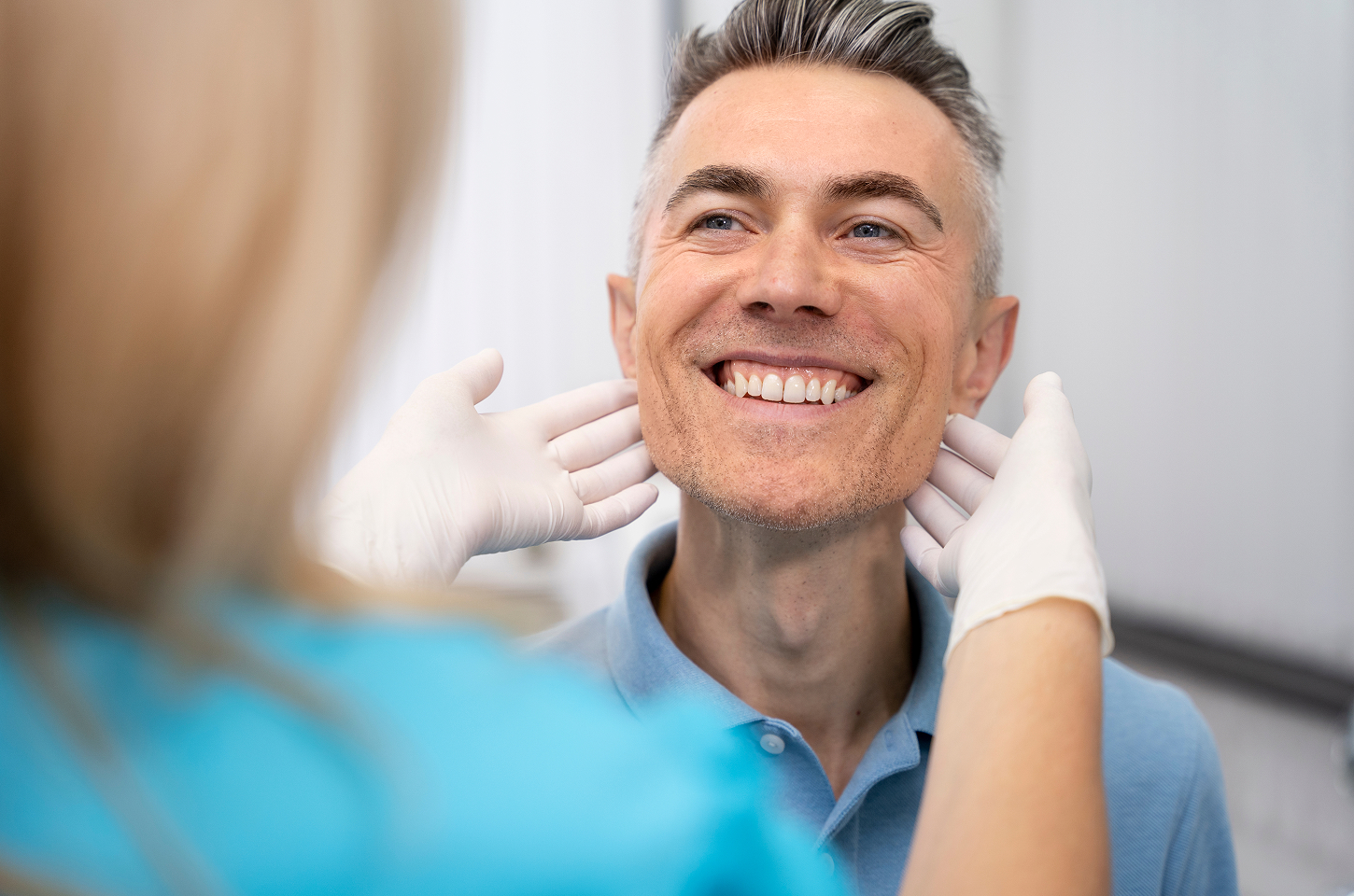
A detailed comparison of porcelain veneers and dental bonding , helping you understand the differences in durability, cost, procedure, and long-term outcomes for your smile enhancement journey.
Table of Contents
Key Takeaways (TL;DR)
- Veneers offer superior durability: Porcelain veneers typically last 10-15 years with proper care, resisting stains and maintaining appearance far longer than bonding.
- Bonding is more conservative: Composite bonding requires minimal to no enamel removal, making it reversible and preserving natural tooth structure.
- Cost differences are significant: Bonding costs substantially less per tooth ($250-$600) compared to veneers ($1,200-$2,500), though veneers represent a long-term investment.
- Ideal applications differ: Bonding excels at minor chips, small gaps, and single-tooth corrections; veneers are optimal for multiple aesthetic concerns requiring comprehensive transformation.
- Maintenance requirements vary: Bonding requires careful stain avoidance and periodic touch-ups, while veneers maintain their appearance with normal oral hygiene.
Introduction: Two Paths to a Beautiful Smile
The desire for an aesthetically pleasing smile drives millions of individuals to explore cosmetic dentistry each year. Among the most common questions patients ask during consultations concerns the difference between porcelain veneers and dental bonding—two transformative procedures that address similar concerns through fundamentally different approaches. Understanding these differences is essential for making an informed decision aligned with your goals, budget, and long-term expectations.
Both porcelain veneers and composite bonding represent significant advances in cosmetic dental materials and techniques. Veneers, fabricated from high-strength ceramic in a dental laboratory, offer exceptional durability and lifelike translucency. Bonding, performed chairside using tooth-colored composite resin, provides a more conservative, reversible option for patients seeking subtle improvements. The choice between these two approaches involves weighing factors such as the extent of correction needed, desired longevity, budget constraints, and personal preferences regarding tooth preparation.
Clinical outcomes for both procedures depend heavily on proper case selection, practitioner skill, and patient compliance with maintenance recommendations. According to the American Academy of Cosmetic Dentistry (AACD), patient satisfaction rates exceed 95% for both veneers and bonding when applied to appropriate cases. The key to achieving optimal results lies in matching the treatment to the specific clinical situation and patient expectations.
What Are Porcelain Veneers?
Porcelain veneers are thin, custom-fabricated shells of dental ceramic that bond to the front surface of teeth. Each veneer is individually crafted in a dental laboratory to match the desired shade, shape, and size specified during treatment planning. The result is a restoration that mimics the light-reflecting properties of natural tooth enamel while providing exceptional strength and stain resistance.
Key Characteristics of Porcelain Veneers:
- Material: High-strength dental ceramic (lithium disilicate, feldspathic porcelain, or zirconia-reinforced ceramic)
- Thickness: Typically 0.3-0.7mm, requiring minimal tooth reduction (0.3-0.5mm of enamel)
- Fabrication: Laboratory-crafted using digital design or traditional wax-up techniques
- Placement: Bonded to prepared teeth with resin cement in 2-3 appointments
- Stain Resistance: Highly resistant to staining from coffee, tea, wine, and tobacco
- Longevity: 10-15 years with proper care; some patients enjoy results for 20+ years
Porcelain veneers address multiple aesthetic concerns simultaneously, including discoloration resistant to whitening, chips and fractures, gaps between teeth, misshapen teeth, and minor alignment irregularities. The comprehensive nature of veneer treatment makes it particularly suitable for patients seeking significant smile transformation rather than isolated corrections. The laboratory fabrication process allows for precise control over final appearance, with results that appear indistinguishable from natural teeth when executed skillfully.
The preparation phase for veneers involves removing a thin layer of enamel to accommodate the thickness of the final restoration. While this removal is irreversible, modern techniques minimize the amount of tooth reduction, often preserving the majority of natural enamel. Patients receive temporary veneers during the laboratory fabrication period, allowing them to evaluate the look and feel of their new smile before permanent placement.
What Is Dental Bonding?
Dental bonding involves the application of tooth-colored composite resin directly to teeth to correct aesthetic imperfections. The dentist sculpts and shapes the pliable resin material, then hardens it with a special curing light before polishing to match the surrounding natural teeth. Unlike veneers, bonding typically requires minimal to no removal of natural tooth structure, making it a reversible procedure.
Key Characteristics of Dental Bonding:
- Material: Composite resin (a mixture of plastic and glass particles)
- Thickness: Variable, built up in layers to achieve desired contour
- Fabrication: Completed entirely in the dental chair during a single visit
- Placement: Sculpted and cured directly on the tooth in one appointment
- Stain Resistance: Moderate; susceptible to staining over time, especially from coffee, tea, and tobacco
- Longevity: 3-7 years with proper care; may require periodic touch-ups or replacement
Bonding excels at correcting minor aesthetic concerns such as small chips at incisal edges, narrow gaps between teeth, surface irregularities, and isolated discoloration. The procedure works particularly well for single-tooth corrections where the surrounding teeth are already aesthetically acceptable. Because bonding requires no laboratory phase, results are achieved in a single visit, making it an attractive option for patients seeking immediate improvement with minimal time investment.
The reversibility of bonding represents a significant advantage for certain patients. Since little to no tooth structure is removed, patients who later desire a different treatment approach can have bonding removed and pursue alternative options like veneers. This flexibility appeals to younger patients whose dentition may still be developing, as well as individuals who want to test the waters of cosmetic enhancement before committing to irreversible procedures.
Direct Comparison: Veneers vs. Bonding
Who Is a Candidate for Each Treatment?
Ideal Candidates for Porcelain Veneers:
- Patients with multiple aesthetic concerns requiring comprehensive transformation
- Individuals with teeth resistant to whitening (tetracycline staining, fluorosis, intrinsic discoloration)
- Those seeking long-term solution with minimal maintenance beyond normal hygiene
- Patients with sufficient enamel for preparation (generally requires healthy tooth structure)
- Individuals who have realistic expectations about the permanent nature of the procedure
- Patients without active bruxism (teeth grinding) or willing to use nightguard protection
Ideal Candidates for Dental Bonding:
- Patients with minor chips, cracks, or surface irregularities affecting one or two teeth
- Individuals with small gaps between teeth (diastemas) not requiring orthodontics
- Those seeking a reversible, conservative option with minimal tooth alteration
- Patients who want immediate results without laboratory fabrication time
- Individuals with budget constraints limiting more extensive cosmetic treatment
- Younger patients whose dentition is still developing or who may want future options
Contraindications for Both Procedures:
- Active tooth decay or untreated gum disease (must be addressed first)
- Insufficient tooth structure or enamel for restoration
- Unmanaged bruxism without protective nightguard
- Poor oral hygiene habits that would compromise restoration longevity
- Unrealistic expectations about outcomes
Procedure Comparison: What to Expect
Porcelain Veneers Procedure
- Consultation & Treatment Planning (Visit 1): Discussion of goals, diagnostic records (photos, X-rays), digital smile design, and treatment plan development.
- Preparation & Impressions (Visit 2): Local anesthesia, enamel preparation (0.3-0.5mm reduction), digital or traditional impressions, temporary veneers placed.
- Laboratory Fabrication (2-3 weeks): Skilled dental technicians craft veneers using digital design specifications or traditional wax-up techniques.
- Trial & Adjustment (Visit 3): Temporary removal, veneers tried in for fit, shade, and shape verification; adjustments made as needed.
- Bonding (Same as Visit 3): Teeth etched, bonding agent applied, veneers permanently cemented with resin cement, light-cured, and final adjustments made.
- Follow-up (Visit 4, 2 weeks later): Evaluation of gum response, bite verification, and any necessary adjustments.
Dental Bonding Procedure
- Consultation (Same as treatment): Discussion of goals and evaluation to confirm bonding as appropriate solution.
- Tooth Preparation (30-45 minutes): Usually no anesthesia required. Tooth surface etched, bonding agent applied.
- Composite Application (30-45 minutes): Dentist layers composite resin, sculpting and shaping to achieve desired contour and appearance.
- Curing: Each layer hardened with special light (20-40 seconds per layer).
- Shaping & Polishing (15-20 minutes): Final contouring and polishing to match surrounding teeth and achieve natural luster.
- Completion: Treatment completed in single appointment; patient leaves with final restoration same day.
Longevity and Maintenance Requirements
The lifespan difference between veneers and bonding represents one of the most significant factors in treatment selection. Porcelain veneers, with proper care, routinely last 10-15 years, and many patients enjoy their veneers for two decades or longer. The ceramic material resists staining, maintains its polish, and withstands normal chewing forces without deterioration. When veneers eventually require replacement, the procedure mirrors the original placement, with new veneers fabricated to replace the existing ones.
Maintenance Comparison:
- Veneer Maintenance: Normal brushing and flossing; regular dental checkups; avoidance of excessive force (chewing ice, using teeth as tools); nightguard recommended for bruxers; periodic professional polishing.
- Bonding Maintenance: Same daily hygiene plus avoidance of stain-causing substances (coffee, tea, red wine, tobacco) for first 48 hours; careful flossing around bonded areas; may require professional polishing every 6-12 months; touch-up or replacement expected every 3-7 years.
Composite bonding requires more vigilant maintenance to preserve appearance and longevity. The material can stain over time, particularly in patients who consume coffee, tea, red wine, or use tobacco products. Regular professional polishing helps maintain the surface, but eventual replacement is expected as part of the bonding lifecycle. Patients who choose bonding should anticipate periodic touch-ups or complete replacement within 3-7 years, depending on their habits and the location of bonded teeth.
Clinical observations indicate that bonding longevity varies significantly based on patient factors. Bonded teeth in the anterior region, where forces are lower, typically outlast those in posterior areas subject to heavier chewing forces. Patients who maintain excellent oral hygiene and avoid staining substances may extend bonding lifespan, while those with less favorable habits may require earlier replacement. The repairability of bonding represents an advantage—small chips or worn areas can often be repaired with additional composite rather than requiring complete replacement.
Cost Analysis: Short-Term Investment vs. Long-Term Value
The long-term cost analysis reveals that while bonding offers significantly lower initial investment, multiple replacements over a lifetime may approach or exceed the cost of veneers. A patient who receives bonding for six anterior teeth and requires replacement every five years over a 20-year period may invest $10,000-$20,000, comparable to the cost of veneers that last the entire period. However, bonding’s lower entry point makes aesthetic treatment accessible to patients who might otherwise defer cosmetic enhancement.
Decision Guide: How to Choose the Right Option
Choose Porcelain Veneers If:
- You have multiple aesthetic concerns across several teeth
- You want the most durable, long-lasting solution available
- You have tetracycline staining or intrinsic discoloration resistant to whitening
- You are committed to the permanent nature of the procedure
- You want minimal maintenance beyond normal oral hygiene
- You are willing to invest more upfront for long-term results
Choose Dental Bonding If:
- You have minor, isolated aesthetic concerns affecting one or two teeth
- You prefer a reversible option that preserves natural tooth structure
- You want immediate results without waiting for laboratory fabrication
- You have budget constraints that make veneers prohibitive
- You are younger and may want to preserve future treatment options
- You want to “test drive” cosmetic enhancement before committing to permanent changes
Consider a Combination Approach:
Some patients benefit from combining both treatments—bonding for minor corrections in less visible areas while investing in veneers for the primary aesthetic zone. A comprehensive consultation helps determine whether a hybrid approach aligns with your goals and budget.
Frequently Asked Questions
Can bonding be removed and replaced with veneers later?
Yes. Since bonding typically requires minimal to no tooth preparation, it can be removed and replaced with veneers at any time. This makes bonding an excellent “trial” option for patients unsure about permanent cosmetic treatment. However, if bonding was applied to teeth that later receive veneers, the bonding removal process does not damage the underlying enamel.
Do veneers or bonding damage natural teeth?
Veneers require removal of a thin layer of enamel (0.3-0.5mm), which is irreversible but does not compromise tooth health when performed correctly. Bonding typically requires no tooth preparation, preserving natural tooth structure. Neither procedure damages teeth when executed by qualified professionals, though both require excellent oral hygiene to prevent decay around margins.
Can veneers or bonding fix crooked teeth?
Both can address minor alignment issues. Veneers can correct slight rotations and misalignments by altering the apparent tooth position through the restoration’s shape. Bonding can build up teeth to improve appearance but is limited in addressing significant misalignment. Severe orthodontic issues typically require braces or clear aligners before cosmetic treatment.
How noticeable are veneers compared to bonding?
High-quality porcelain veneers are virtually indistinguishable from natural teeth, mimicking the translucency, light reflection, and surface characteristics of enamel. Bonding can achieve natural-looking results but may be slightly more opaque and can show wear patterns over time. The skill of the practitioner significantly influences aesthetic outcomes for both treatments.
Will my insurance cover either procedure?
Most dental insurance plans consider both procedures cosmetic and provide minimal or no coverage. However, if bonding repairs a chipped tooth that resulted from an accident or addresses a functional issue, partial coverage may apply. Veneers are almost universally considered cosmetic and not covered. Patients should verify benefits before treatment.
Can I whiten my teeth if I have veneers or bonding?
Whitening agents only affect natural tooth structure, not porcelain or composite. Patients with veneers or bonding should whiten before receiving restorations to match the desired shade. If whitening is needed after placement, existing restorations will remain their original color, potentially creating a mismatch with newly whitened natural teeth.
People Also Search For
- Porcelain veneers before and after photos
- Composite bonding cost per tooth
- How long do veneers last compared to bonding
- Veneers without tooth reduction
- Bonding for chipped front tooth
- Do veneers stain over time
- Is bonding reversible
- Veneers vs crowns vs bonding comparison
Sources & References
- American Academy of Cosmetic Dentistry. (2024). Clinical Guidelines for Porcelain Veneers and Composite Bonding. Madison: AACD.
- Journal of Esthetic and Restorative Dentistry. (2023). Long-Term Outcomes of Porcelain Veneers Versus Direct Composite Resin Restorations: A Systematic Review. Vol. 35(2), 145-158.
- Clinical research on composite resin longevity and maintenance requirements (2020-2025).
- Materials manufacturer clinical studies on lithium disilicate and composite resin systems.
- ADA Council on Scientific Affairs. (2024). Direct and Indirect Restorative Materials: Evidence-Based Evaluation.
Last reviewed: March 2026
About the Author
The content was developed with oversight from dental professionals specializing in cosmetic and restorative dentistry. The information reflects current evidence-based standards for aesthetic dental treatments, emphasizing the importance of appropriate case selection and patient education in achieving optimal outcomes. Practitioners continuously evaluate emerging materials and techniques to offer patients the most suitable options for their individual smile goals and clinical circumstances.