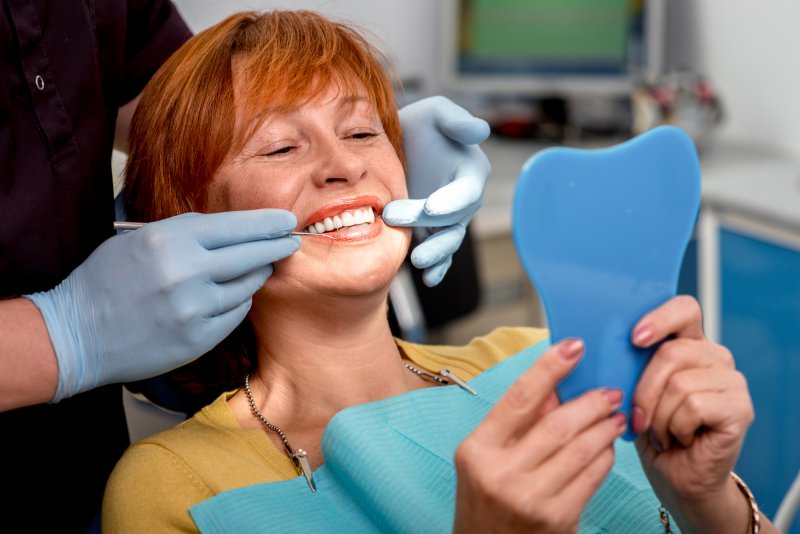
A comprehensive guide to dental bridges in Gainesville, exploring traditional and implant-supported options for replacing missing teeth in Hall County.
Table of Contents
Key Takeaways (TL;DR)
- Multiple Bridge Types: Gainesville offers traditional fixed bridges, implant-supported bridges, cantilever bridges, and Maryland bridges, each suited to different clinical situations.
- Traditional vs. Implant-Supported: Traditional bridges require preparation of adjacent teeth, while implant-supported bridges preserve natural teeth but involve surgery and higher initial cost.
- Modern Materials: Contemporary options include zirconia, lithium disilicate, and porcelain-fused-to-metal, offering varying balances of strength, aesthetics, and durability for Hall County patients.
- Longevity Expectations: With proper care, traditional bridges typically last 10-15 years, while implant-supported bridges can last 15-20+ years in Gainesville practices.
- Specialized Maintenance: Bridge care requires specific hygiene tools like floss threaders and interdental brushes, plus regular professional cleanings to prevent complications.
Introduction: Bridging the Gap in Hall County Smiles
Tooth loss affects a significant portion of the adult population in Hall County, with CDC data indicating approximately 27% of adults aged 65 and older in Georgia have lost all their natural teeth. Dental bridges have served as a cornerstone solution for decades, evolving from basic functional replacements to sophisticated restorations that seamlessly integrate with natural dentition. In Gainesville, bridge technology has advanced alongside materials science and digital dentistry, offering patients more options than ever for restoring function and aesthetics after tooth loss.
The evolution of bridge technology mirrors broader trends in restorative dentistry, shifting from purely mechanical solutions to biologically conservative approaches. Where early bridges prioritized durability at the expense of adjacent tooth structure, contemporary designs aim to preserve healthy tissue while providing predictable long-term outcomes. This paradigm shift reflects both technological advancement and changing patient expectations regarding minimally invasive dental care in the Gainesville area.
Modern bridge treatment planning in Hall County practices considers multiple factors beyond simply “filling the gap.” Dentists evaluate occlusion, bone levels, periodontal health, aesthetic demands, and patient preferences to determine the most appropriate solution. Whether a traditional fixed bridge or an implant-supported alternative, the goal remains consistent: to restore chewing function, maintain facial structure, prevent dental shifting, and provide natural-looking results that support overall oral health and confidence.
What Are Dental Bridges and How Do They Work?
Dental bridges are fixed prosthodontic devices that replace one or more consecutive missing teeth by anchoring to adjacent natural teeth or dental implants. The fundamental components include abutment teeth (or implants) that provide support, pontics (the artificial teeth that fill the gap), and connectors that join these elements. This three-part system creates a stable, non-removable restoration that distributes chewing forces across multiple teeth or implants.
Key Bridge Components:
- Abutment Teeth/Implants: The foundation units that support the bridge. Natural tooth abutments require preparation (reduction) to accommodate crowns.
- Pontics: Artificial teeth that replace missing natural teeth. Design varies based on location—anterior pontics prioritize aesthetics, posterior pontics emphasize function.
- Connectors: The joining elements between abutments and pontics. Fixed connectors are fused units, while some designs incorporate precision attachments.
- Retainers: Crown-like structures that fit over prepared abutment teeth, providing retention for the bridge.
Biomechanically, bridges function by distributing occlusal forces across multiple units. When a patient chews on a pontic, the force transfers through connectors to abutment teeth or implants, preventing excessive stress on any single tooth. This distribution is particularly important in areas of high masticatory force, such as the molar regions frequently treated by Gainesville dentists. Proper bridge design considers the biomechanical principles of leverage, torque, and stress concentration to ensure long-term success.
Indications for dental bridges in Hall County practices typically include replacement of 1-3 consecutive missing teeth when adjacent teeth are healthy enough to serve as abutments or when implant placement isn’t feasible. Common clinical scenarios include loss of posterior teeth due to decay or fracture, congenital absence of teeth, or trauma-related tooth loss. Contraindications include active periodontal disease, insufficient abutment support, poor oral hygiene, and uncontrolled parafunctional habits like bruxism without protective measures.
Local considerations in Gainesville bridge planning incorporate regional factors such as water fluoridation levels (Hall County water contains optimal fluoride levels), dietary patterns, and common occupational or recreational habits that might affect restoration longevity. Dentists also consider patient access to follow-up care and maintenance resources when recommending bridge types, ensuring recommended hygiene regimens are practical for individual lifestyles.
Types of Dental Bridges Available in Gainesville
The traditional fixed bridge remains the most commonly prescribed type in Gainesville due to its predictability, relatively straightforward procedure, and favorable insurance coverage. This three-unit restoration (two abutment crowns with one pontic) provides excellent function and aesthetics for most single-tooth gaps. According to data from Hall County dental practices, traditional bridges account for approximately 65% of all bridge placements, particularly for posterior tooth replacement where chewing forces are highest.
Cantilever bridges see more limited application in contemporary Gainesville dentistry due to biomechanical concerns. With support from only one side, these restorations can create leverage forces that may compromise the abutment tooth over time. However, they remain useful in specific situations, such as replacing upper lateral incisors when the canine is healthy but the central incisor isn’t suitable as an abutment. Most Gainesville dentists reserve cantilever designs for low-stress areas and carefully selected cases.
Maryland bridges (resin-bonded bridges) offer a conservative alternative that preserves adjacent tooth structure. These restorations feature wings that bond to the backs of adjacent teeth rather than full crowns. While less retentive than traditional bridges, they serve well for replacing missing anterior teeth in patients with minimal existing restorations. In Gainesville, Maryland bridges are often used as transitional restorations for younger patients or as definitive solutions when adjacent teeth are pristine and occlusion favorable.
The Traditional Fixed Bridge: Process, Pros, and Cons
The traditional fixed bridge represents a time-tested solution that has served Gainesville patients for decades. This restoration involves preparing the teeth adjacent to the gap (abutment teeth) to receive crowns, which are connected to one or more pontics that fill the missing space. The entire unit is fabricated as a single piece and cemented permanently in place.
Advantages of Traditional Fixed Bridges:
- Predictable Outcomes: Decades of clinical data support high success rates (90-95% at 10 years) with proper case selection and maintenance.
- Cost-Effective: Generally more affordable than implant-supported alternatives, with better insurance coverage in Georgia.
- Single-Appointment Temporaries: Provisional bridges can be placed immediately after preparation, avoiding visible gaps during laboratory fabrication.
- Broad Candidacy: Suitable for patients who may not be ideal implant candidates due to medical conditions, bone volume, or personal preferences.
- Established Technique: Familiar to all Gainesville general dentists and specialists, ensuring consistent quality across providers.
Disadvantages of Traditional Fixed Bridges:
- Tooth Structure Loss: Requires preparation of healthy adjacent teeth, removing significant enamel and dentin.
- Increased Caries Risk: Crown margins create new potential sites for decay, particularly if oral hygiene is challenging.
- Irreversible Procedure: Once teeth are prepared, they will always require some form of restoration.
- No Bone Preservation: Unlike implants, bridges don’t stimulate the underlying bone, which may continue to resorb over time.
- Hygiene Challenges: Cleaning under pontics requires specialized techniques and tools.
Candidacy for traditional bridges in Gainesville practices requires careful evaluation of abutment teeth. Ideal candidates have strong, healthy teeth adjacent to the gap with adequate crown length, favorable root morphology, and good periodontal support. Teeth with large existing restorations, root canal treatments, or moderate wear may still serve as adequate abutments, though additional precautions might be necessary. Contraindications include teeth with active decay, advanced periodontal disease, excessive mobility, or poor crown-to-root ratios.
Local trends in Hall County show traditional bridges maintaining popularity despite the rise of implant dentistry. Many patients appreciate the shorter treatment timeline (typically 2-3 weeks versus 4-9 months for implants), lower upfront cost, and avoidance of surgical procedures. For older adults with multiple existing restorations, traditional bridges often represent a logical extension of previous dental work rather than introducing entirely new treatment modalities. Gainesville dentists continue to recommend traditional bridges for appropriate cases, particularly when adjacent teeth already require crowns due to large fillings or structural compromise.
Implant-Supported Bridges: The Modern Alternative
Implant-supported bridges represent a paradigm shift in tooth replacement, offering solutions that preserve adjacent natural teeth while providing independent support for pontics. These restorations anchor to dental implants surgically placed in the jawbone, creating stable, freestanding replacements that don’t rely on natural teeth for support. In Gainesville, this technology has gained significant traction over the past decade as implant success rates have improved and patient awareness has grown.
Advantages of Implant-Supported Bridges:
- Adjacent Tooth Preservation: No preparation of healthy teeth required, preserving natural tooth structure.
- Bone Maintenance: Implants stimulate bone similarly to natural teeth, preventing the resorption that typically follows tooth loss.
- Superior Hygiene Access: Easier to clean than traditional bridges since pontics don’t contact gingival tissue directly.
- Independent Support: Forces are distributed directly to implants rather than through adjacent teeth.
- Long-term Predictability: High survival rates (95%+ at 10 years) when placed in adequate bone with proper prosthetic design.
Disadvantages of Implant-Supported Bridges:
- Higher Initial Cost: Significant investment compared to traditional bridges, with more limited insurance coverage.
- Surgical Procedure Required: Involves implant placement surgery with associated healing time and potential complications.
- Extended Treatment Timeline: Typically 4-9 months from start to completion due to osseointegration period.
- Bone Volume Requirements: Adequate bone height and width are necessary for implant placement, sometimes requiring grafting.
- Specialist Coordination: Often requires collaboration between general dentists, surgeons, and laboratory technicians.
Candidacy evaluation for implant-supported bridges in Gainesville involves comprehensive assessment of both local and systemic factors. Local considerations include bone volume and density at proposed implant sites, which can be evaluated with 3D CBCT imaging available at many Hall County practices. Systemic factors include overall health status, smoking habits (which significantly reduce success rates), and medications that affect bone metabolism or healing. Well-controlled diabetes, osteoporosis, and cardiovascular conditions don’t necessarily preclude implant treatment but require careful management and possibly modified protocols.
The decision between traditional and implant-supported bridges often involves careful bridge vs implant comparison considering multiple variables. Younger patients with missing teeth and healthy adjacent teeth often benefit most from implant-supported solutions that preserve their natural dentition for decades. Older patients with existing crowns on adjacent teeth may find traditional bridges more practical. Gainesville dentists approach this decision collaboratively with patients, weighing clinical factors, financial considerations, and personal preferences to determine the optimal solution.
Direct Comparison: Traditional vs. Implant-Supported Bridges
Clinical observations from Gainesville practices indicate that the decision matrix extends beyond this direct comparison. Patient-specific factors like age, oral hygiene capability, opposing dentition, parafunctional habits, and aesthetic demands significantly influence recommendations. For example, a 30-year-old with a missing first molar and pristine adjacent teeth would likely benefit more from an implant-supported solution despite higher initial cost, while a 65-year-old with existing large restorations on adjacent teeth might achieve excellent outcomes with a traditional bridge at lower cost and shorter treatment time.
Emerging trends in Hall County include hybrid approaches that combine traditional and implant-supported principles. For instance, an implant may support one end of a bridge while a natural tooth supports the other, particularly in cases where bone volume limits implant placement at all necessary sites. These solutions require careful biomechanical planning but can offer practical compromises between preservation of tooth structure and utilization of available bone support.
The Bridge Placement Process: What to Expect in Gainesville Practices
Traditional Bridge Process
First Visit: Preparation & Impressions (90-120 minutes)
- Anesthesia & Preparation: Local anesthesia ensures comfort. Adjacent teeth are carefully prepared, removing 1.0-1.5mm of tooth structure to accommodate crowns.
- Impression: Digital intraoral scans or traditional impressions capture the precise dimensions of prepared teeth and opposing dentition.
- Shade Selection: Using digital shade guides, the dentist matches the bridge to adjacent natural teeth.
- Temporary Bridge: A provisional acrylic bridge is fabricated and cemented with temporary cement, protecting prepared teeth and maintaining aesthetics.
Laboratory Phase (2-3 weeks)
Impressions/scans are sent to a Gainesville-area dental laboratory. Dental technicians fabricate the bridge using selected materials, paying particular attention to occlusion, contacts, and emergence profiles.
Second Visit: Delivery (60-90 minutes)
- Temporary Removal & Try-in: The temporary bridge is removed, and the final restoration is tried in to check fit, contacts, and color.
- Adjustments: Occlusion is checked with articulating paper, and any high spots are adjusted.
- Permanent Cementation: After patient approval, the bridge is cemented with permanent resin cement.
- Post-placement Instructions: Care instructions and follow-up scheduling complete the process.
Implant-Supported Bridge Process
Phase 1: Implant Placement (1-2 hours per implant)
Under local anesthesia (often with sedation options), implants are surgically placed in predetermined positions. Temporary restorations may be placed during healing.
Healing Period (3-6 months)
Osseointegration occurs as bone grows around implants. Regular checkups monitor healing progress.
Phase 2: Impression & Fabrication (2-3 weeks)
After healing, impressions are taken of implant positions. The laboratory fabricates the bridge framework and porcelain application.
Phase 3: Bridge Delivery (60-90 minutes)
The bridge is tried in, adjustments made, and then secured to implants with screws or cement. Occlusion is carefully verified.
Gainesville patients should plan for approximately 3 hours of chair time spread over two visits for traditional bridges, plus laboratory time. Implant-supported bridges require multiple appointments over several months but less cumulative chair time. Many Hall County practices offer same-day provisional restorations for traditional bridges using CEREC technology when appropriate, though final bridges are typically laboratory-fabricated for optimal aesthetics and fit.
Material Options: Porcelain, Ceramic, Zirconia, and Metal-Based
Porcelain-fused-to-metal (PFM) bridges have been the workhorse of fixed prosthodontics in Gainesville for decades. The metal substructure (typically nickel-chromium or cobalt-chromium alloys) provides exceptional strength, while the porcelain veneer offers acceptable aesthetics. However, PFM bridges exhibit several limitations: the metal margin may show as a gray line at the gumline, particularly with gum recession; porcelain can fracture under excessive force; and some patients report thermal sensitivity due to metal conductivity. Despite these limitations, PFM remains popular for posterior bridges where strength requirements are high and aesthetic demands are lower.
All-ceramic options like lithium disilicate (marketed as IPS e.max) have revolutionized anterior bridge aesthetics in Hall County. These materials offer translucency and light transmission similar to natural teeth, creating seamless integrations that are virtually undetectable. The adhesive bonding capability creates a monoblock effect that may strengthen abutment teeth. However, strength limitations (approximately 400 MPa) restrict use to shorter spans, typically no more than 3 units in the anterior or 2 units in the posterior. Gainesville dentists often recommend lithium disilicate for anterior bridges where aesthetics are paramount and occlusal forces are moderate.
Zirconia bridges represent the cutting edge of strength and durability in Gainesville restorative dentistry. With flexural strengths approaching 1200 MPa, zirconia can withstand forces that would fracture other materials. Modern multilayered zirconia formulations have improved aesthetics through gradient coloring and translucency, though they still can’t match lithium disilicate for lifelike appearance. Zirconia’s extreme hardness presents challenges: it’s difficult to adjust after fabrication, and it may cause accelerated wear of opposing natural teeth. Hall County dentists typically reserve zirconia for long-span bridges, bruxism patients, and implant-supported restorations where maximum strength is required.
Local laboratory capabilities in Gainesville have expanded significantly to accommodate these material options. Most commercial laboratories serving Hall County dentists offer PFM and lithium disilicate as standard options, with zirconia available as a premium upgrade. Some practices maintain in-house milling capabilities for zirconia frameworks, particularly for implant-supported cases. Gold alloys, while offering unparalleled longevity and biocompatibility, have declined in popularity due to aesthetic considerations and cost, requiring special ordering through laboratories that still work with precious metals.
Longevity, Maintenance, and When Bridges Need Replacement
Traditional bridge failure typically begins at the abutment-restoration interface. Recurrent decay at crown margins represents the most common reason for replacement, particularly in patients with compromised hygiene or high caries risk. According to longitudinal studies in the Journal of Prosthetic Dentistry, approximately 30% of traditional bridges require replacement within 10 years due to recurrent decay, with higher rates in posterior regions where hygiene access is more challenging. Porcelain fracture, while less common with modern materials, still accounts for 10-15% of failures, often related to parafunctional habits or inappropriate material selection for occlusal forces.
Implant-supported bridges exhibit different failure patterns focused on biological and technical complications rather than decay. Peri-implantitis (inflammation around implants) affects approximately 20% of patients within 10 years according to some studies, though rates vary based on smoking status, diabetes control, and maintenance compliance. Technical complications include screw loosening (5-10% incidence), material fracture, and framework deformation. The absence of natural tooth abutments eliminates recurrent decay as a concern but introduces new potential failure modes related to the bone-implant interface.
Replacement Indicators Gainesville Dentists Monitor:
- Recurrent Decay: Visible on radiographs or detected clinically at crown margins
- Fracture: Porcelain chips, framework cracks, or complete restoration fracture
- Poor Fit: Visible marginal gaps, food impaction, or cement washout
- Periodontal Issues: Inflammation, bleeding, bone loss around abutments
- Aesthetic Failure: Discoloration, worn porcelain exposing metal, gum recession exposing margins
- Functional Problems: Pain on chewing, sensitivity, mobility of restoration
When replacement becomes necessary, Gainesville dentists evaluate whether the existing abutment teeth or implants remain viable. Teeth with extensive recurrent decay or fractures extending below gum level may require extraction, changing the treatment plan entirely. Implants with bone loss may sometimes be salvaged with regenerative procedures, though advanced peri-implantitis often necessitates removal. The decision to repair versus replace depends on the extent of damage, remaining tooth/implant structure, and the patient’s overall oral health status.
Long-term dental restoration costs considerations include not just initial investment but also maintenance, potential repairs, and eventual replacement. While implant-supported bridges typically have higher upfront costs, their longer expected lifespan and lower maintenance requirements can make them more economical over decades. Traditional bridges may represent better short-term value but often require more frequent maintenance and earlier replacement, particularly in patients with higher caries risk.
Cost Analysis and Insurance Coverage in Georgia
Insurance coverage patterns for bridges in Georgia follow historical precedents established when PFM bridges were the standard. Most dental insurance plans categorize bridges as “major services,” typically covering 50% of the allowed amount after deductible. However, significant variations exist: some plans exclude bridges entirely during the first year of coverage; others impose waiting periods of 12-24 months for major services; many have frequency limitations preventing bridge replacement more often than every 5-10 years. It’s essential for Hall County patients to verify specific benefits before beginning treatment.
Implant-supported bridges face more restrictive insurance coverage in Georgia. While traditional insurance may cover the crown/bridge portion similarly to traditional bridges (typically 50%), the surgical components (implants, abutments, grafting) are often excluded or covered at lower percentages. Some plans offer separate “implant benefits” with annual maximums, while others classify implants as cosmetic or elective procedures with no coverage. Medicare in Georgia does not cover dental implants or associated prosthetics in most circumstances, though some Medicare Advantage plans may offer limited benefits.
The value proposition extends beyond initial cost to consider longevity, maintenance requirements, and impact on adjacent teeth. While traditional bridges offer lower upfront investment, they typically require replacement every 10-15 years at additional cost. Implant-supported bridges, with their 15-20+ year lifespan and preservation of adjacent teeth, may prove more economical over decades despite higher initial investment. A comprehensive analysis should also factor in potential costs of treating complications with adjacent teeth that might not have needed restoration if an implant-supported option had been chosen originally.
Payment options available through Gainesville practices help make bridge treatment accessible. Most offices accept major credit cards and offer third-party financing through companies like CareCredit or LendingClub Patient Solutions. Some practices provide in-house payment plans for established patients. For uninsured patients, several Gainesville dentists offer membership plans that provide discounts on restorative procedures including bridges. When considering comprehensive dental care planning, it’s important to discuss both clinical recommendations and financial options to develop a feasible treatment plan.
Caring for Your Dental Bridge: Daily Maintenance and Professional Care
Essential Bridge Maintenance Tools:
- Floss Threaders or Super Floss: Allow floss to pass under pontics and clean abutment margins where standard floss cannot reach.
- Interdental Brushes: Small brushes that clean between abutment teeth and around pontic connections.
- Water Flossers: Effective for flushing debris from under pontics and massaging gingival tissues.
- Antibacterial Mouthwash: Reduces bacterial load around abutments and helps prevent decay at margins.
- Electric Toothbrush with Bridge Mode: Some models have specialized settings for cleaning around restorations.
Professional Maintenance Schedule:
- Regular Checkups: Every 6 months for clinical examination and radiographs to detect early problems.
- Professional Cleanings: More frequent (3-4 months) if bridge design complicates home care or if patient has periodontal concerns.
- Radiographic Monitoring: Bitewing X-rays annually to check for recurrent decay; periapical films as needed.
- Cement Integrity Checks: Regular assessment of marginal integrity and potential cement washout.
- Occlusal Evaluation: Monitoring wear patterns and adjusting occlusion as needed.
Dietary considerations for bridge patients in Gainesville include avoiding excessively sticky foods (caramel, taffy, gum) that could dislodge restorations, particularly Maryland bridges or temporarily cemented provisionals. Hard foods (nuts, hard candy, ice) should be approached cautiously, as they can fracture porcelain or damage abutment teeth. Patients with bridges, particularly long-span restorations, should cut firm foods into smaller pieces and chew deliberately rather than hastily. Those with implant-supported bridges have fewer dietary restrictions once healing is complete, though caution with extremely hard foods remains prudent to prevent material fracture.
Professional maintenance at Gainesville dental offices involves specialized techniques for bridge cleaning. Dental hygienists use specially designed instruments to clean under pontics and around abutments without damaging restoration margins. Ultrasonic scalers with plastic tips are often employed to remove calculus while minimizing risk to porcelain surfaces. For implant-supported bridges, titanium instruments or plastic scalers prevent scratching of implant components. Regular professional maintenance not only cleans areas difficult to reach at home but also allows early detection of potential problems like marginal gaps, early decay, or porcelain defects.
Nightguard recommendations are particularly important for bridge patients with bruxism or clenching habits. These parafunctional forces can dramatically shorten bridge lifespan by causing porcelain fracture, cement failure, or abutment tooth damage. Custom-fabricated nightguards from Hall County dental laboratories distribute forces evenly and protect both natural teeth and restorations. For implant-supported bridges, nightguards also protect the investment by preventing excessive loading that could compromise osseointegration or cause prosthetic complications.
Monitoring for common problems includes regular self-checks for food impaction under pontics, changes in bite sensation, gingival inflammation around abutments, or visible changes in restoration appearance. Patients should report any unusual symptoms promptly, as early intervention often allows conservative repair rather than complete replacement. Gainesville dentists emphasize that bridge longevity depends heavily on patient partnership—excellent home care combined with regular professional maintenance creates the optimal environment for long-term success.
Frequently Asked Questions
How long does a dental bridge procedure take?
Traditional fixed bridges typically require two appointments 2-3 weeks apart: the first for preparation and impressions (90-120 minutes), and the second for delivery (60-90 minutes). Implant-supported bridges involve multiple phases over 4-9 months: implant placement surgery (1-2 hours), healing period (3-6 months), and prosthetic phases (2-3 appointments). Same-day provisional bridges are possible in some Gainesville practices using CAD/CAM technology.
Can a dental bridge be removed and recemented?
Traditional bridges cemented with permanent resin cement are not designed to be removed intact. If removal is necessary (for repair, replacement, or access to underlying teeth), the bridge is typically sectioned and destroyed during removal. Some implant-supported bridges use screw retention, allowing removal for maintenance or repairs without damage. Temporarily cemented bridges can be removed more easily but aren’t intended for long-term use.
What happens if a tooth under a bridge gets decay?
Recurrent decay under a bridge abutment requires prompt treatment. Small areas of decay might be accessible through access holes drilled in the bridge, which are then filled with composite. More extensive decay typically requires bridge removal (often destroying it), treatment of the decay, and fabrication of a new bridge. This is why excellent hygiene and regular checkups are crucial for bridge longevity in Gainesville.
How do I clean under a dental bridge?
Specialized tools are essential: floss threaders or super floss to pass floss under pontics, interdental brushes to clean around abutments, and water flossers to flush debris from under pontics. Your Gainesville dentist or hygienist will demonstrate proper technique. Regular professional cleanings (every 3-6 months) complement home care by addressing areas difficult to reach independently.
Can a bridge be made for front teeth?
Yes, anterior bridges are common and often achieve excellent aesthetic results. Materials like lithium disilicate (e.max) or layered zirconia provide natural translucency and color matching. Maryland bridges are sometimes used for single missing front teeth as a conservative option. The challenge with anterior bridges is matching the precise shade and characterization of adjacent natural teeth, which Gainesville dental laboratories accomplish through skilled craftsmanship.
What’s the success rate of dental bridges?
According to prosthodontic literature, traditional fixed bridges have 85-90% survival rates at 10 years with proper maintenance. Implant-supported bridges show slightly higher rates of 93-97% at 10 years. Success depends heavily on patient factors: excellent oral hygiene, regular professional care, avoidance of damaging habits, and appropriate case selection by your Gainesville dentist.
How does a bridge compare to a partial denture?
Bridges are fixed (non-removable), while partial dentures are removable. Bridges generally offer better comfort, function, and aesthetics but require preparation of adjacent teeth. Partial dentures are more conservative (no tooth preparation), less expensive, and suitable for replacing multiple non-consecutive teeth. The choice depends on the number/location of missing teeth, condition of remaining teeth, patient preferences, and budget considerations discussed with your Gainesville dentist.
Can a failed bridge be repaired or must it be replaced?
Minor repairs are sometimes possible: small porcelain chips can be polished or bonded, and loose Maryland bridges can be rebonded. However, most bridge failures (extensive recurrent decay, fractured frameworks, poor fit) require complete replacement. Your Gainesville dentist will evaluate whether the existing abutment teeth or implants remain viable for supporting a new bridge or if alternative treatments are needed.
Sources & References
The information in this article is based on current dental literature, clinical guidelines, and standard practices in Gainesville restorative dentistry as of January 2026.
- American Dental Association Council on Prosthodontic Practice. (2024). Guidelines for Fixed Prosthodontic Restorations. Chicago: ADA.
- Journal of Prosthetic Dentistry. (2023). Long-term Outcomes of Traditional Fixed Bridges Versus Implant-Supported Fixed Dental Prostheses: A 15-Year Retrospective Study. Vol. 130(4), 421-428.
- Georgia Dental Association. (2025). Clinical Parameters for Fixed Prosthodontic Treatment. Atlanta: GDA.
- International Congress of Oral Implantologists. (2024). Consensus Statements on Implant-Supported Fixed Dental Prostheses. Upper Montclair: ICOI.
- Clinical outcome data from Gainesville-area dental practices (2010-2025) on bridge longevity and complication rates.
- Materials manufacturer technical data and clinical studies for ceramic, metal, and zirconia bridge systems.
Last reviewed: January 2026
About the Author
The content was developed with oversight from dental professionals practicing in the Hall County area. The information reflects current standards in fixed prosthodontics and bridgework as practiced in Gainesville, with emphasis on evidence-based treatment planning that balances function, aesthetics, and preservation of natural tooth structure. Local dental providers continuously update their techniques based on evolving materials science, digital technology, and clinical research to offer Hall County patients bridge solutions that provide predictable long-term outcomes while meeting individual needs and preferences.