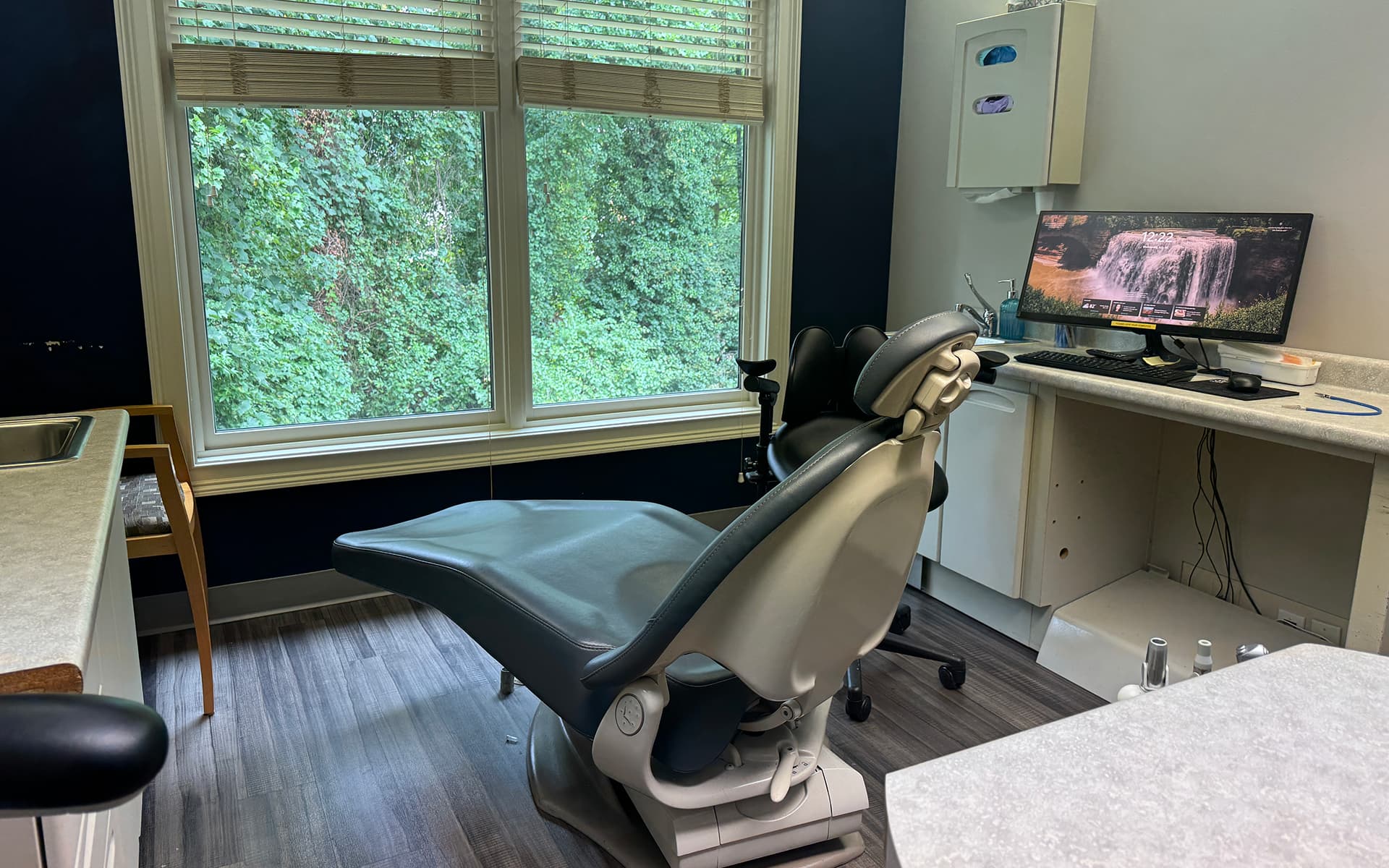
Dental anxiety affects millions of Americans, causing many to postpone or completely avoid necessary dental care. If the thought of sitting in a dental chair makes your heart race, your palms sweat, or your stomach churn, you’re far from alone. For patients in Gainesville, Georgia and throughout Hall County, understanding that dental fear is common—and that effective solutions exist—is the first step toward reclaiming your oral health.
Dental anxiety exists on a spectrum. Some people feel mild nervousness that they can manage with effort. Others experience full-blown dental phobia that has kept them from a dentist for years or even decades. Regardless of where you fall on this spectrum, modern sedation dentistry offers options that can help you receive the care you need without the overwhelming fear that has held you back.
This guide explores the causes and effects of dental anxiety, explains how sedation dentistry addresses these fears, and provides practical strategies for making dental visits manageable. For detailed information about sedation options, see the comprehensive guide to sedation dentistry in Gainesville.
Practices like Lifetime Dental of Gainesville specialize in helping anxious patients overcome their fears and receive comfortable, judgment-free dental care.
Table of Contents
What Is Dental Anxiety? | What Causes Dental Fear? | Consequences of Avoiding the Dentist | How Sedation Dentistry Helps | Choosing the Right Sedation Level | Additional Strategies for Managing Anxiety | FAQs
Key Takeaways (TL;DR)
- Dental anxiety is extremely common: Approximately 36% of people experience dental anxiety, and about 12% have severe dental phobia that causes them to avoid care entirely.
- Fear often stems from past experiences: Negative childhood dental visits, painful procedures, or feeling out of control are common triggers that can last for decades.
- Avoiding dental care has serious consequences: Small problems become major issues requiring more extensive, expensive, and uncomfortable treatment.
- Sedation dentistry breaks the cycle: By removing the fear barrier, sedation allows anxious patients to receive care comfortably and rebuild positive associations with dental visits.
- Multiple sedation options exist: From mild nitrous oxide to deep IV sedation, there’s a sedation level appropriate for every degree of anxiety.
What Is Dental Anxiety?
Dental anxiety refers to feelings of unease, nervousness, or fear associated with dental visits and procedures. It exists on a spectrum from mild apprehension to severe, debilitating phobia.
Mild dental anxiety might cause you to feel nervous before appointments but doesn’t prevent you from attending. You may experience butterflies in your stomach or slightly elevated heart rate, but you can manage these feelings and get through your visit.
Moderate dental anxiety creates significant distress that may cause you to delay appointments, lose sleep before visits, or require considerable effort to follow through with scheduled care. Physical symptoms like sweating, rapid heartbeat, or nausea may occur.
Severe dental phobia (odontophobia) is an intense, irrational fear that leads to complete avoidance of dental care. People with dental phobia may not have seen a dentist in years or decades, enduring significant pain and oral health problems rather than facing their fear. The thought of a dental visit may trigger panic attacks.
Research suggests that approximately 36% of the population experiences some level of dental anxiety, with roughly 12% suffering from severe dental phobia. This means that in Gainesville and Hall County alone, tens of thousands of residents struggle with dental fear—you are absolutely not alone in feeling this way.
What Causes Dental Fear?
Understanding the roots of dental anxiety can help you address it more effectively. Common causes include:
Past Negative Experiences
A painful procedure, an unsympathetic dentist, or a traumatic childhood experience can create lasting associations between dentistry and suffering. These memories become deeply embedded, triggering fear responses even decades later. The brain doesn’t distinguish between past and present danger—it simply recognizes “dentist” as a threat and activates protective anxiety.
Fear of Pain
Even if you haven’t personally experienced painful dental treatment, the anticipation of pain is a powerful fear trigger. Stories from friends or family, media portrayals of dentistry, or simply imagining what procedures might feel like can create anxiety. The good news is that modern dentistry—especially with sedation options—is far more comfortable than many people realize.
Loss of Control
Lying back in a dental chair with your mouth open while someone works inside it is an inherently vulnerable position. For people who value feeling in control, this vulnerability can trigger significant anxiety. Not being able to see what’s happening, communicate easily, or stop the procedure instantly can feel threatening.
Embarrassment
Many anxious patients feel ashamed of their teeth, especially if anxiety has caused them to avoid care for extended periods. Fear of being judged or lectured about the condition of their mouth prevents them from seeking help, creating a self-reinforcing cycle of avoidance and worsening dental health.
Sensory Triggers
The sights, sounds, and smells of a dental office can trigger anxiety even before any treatment begins. The sound of a drill, the smell of dental materials, the bright overhead light, or even the taste of latex gloves can activate fear responses in sensitive individuals.
General Anxiety Disorders
People with generalized anxiety, panic disorder, or other anxiety conditions often experience heightened dental fear as part of their broader anxiety pattern. Medical settings in general may trigger their anxiety, with dental offices being particularly challenging.
What Happens When You Avoid the Dentist?
While avoiding the dentist provides short-term relief from anxiety, it creates long-term consequences that ultimately make dental experiences worse—not better.
Small Problems Become Big Problems
A small cavity that could have been treated with a simple filling progresses to a large cavity requiring a crown, then to an infection requiring a root canal, and potentially to tooth loss requiring extraction and replacement. Each stage involves more extensive, more expensive, and often more uncomfortable treatment than the previous one.
Dental Emergencies
Untreated dental problems eventually demand attention through pain, infection, or other emergencies. Emergency dental visits are typically more stressful than planned appointments—you’re already in pain, you may not have your regular dentist available, and treatment options may be limited by the severity of the situation.
Overall Health Impacts
Oral health connects to overall health in important ways. Untreated gum disease has been linked to heart disease, diabetes complications, respiratory infections, and other systemic health issues. Chronic dental infections stress the immune system and can spread to other parts of the body.
Quality of Life Effects
Poor dental health affects your daily life in numerous ways: difficulty eating comfortably, reluctance to smile or laugh openly, chronic pain or discomfort, bad breath affecting social interactions, and the psychological burden of knowing something is wrong but feeling unable to address it.
The Avoidance Cycle: Dental anxiety leads to avoidance, which leads to worsening dental health, which leads to more extensive treatment needs, which reinforces the belief that dental visits are painful and unpleasant. Sedation dentistry breaks this cycle by making comfortable care possible.
How Does Sedation Dentistry Help Anxious Patients?
Sedation dentistry addresses dental anxiety on multiple levels, providing both immediate relief and long-term benefits for overcoming fear.
Immediate Anxiety Relief
Sedative medications directly reduce feelings of anxiety, fear, and panic. Depending on the sedation level, you may feel mildly relaxed (nitrous oxide), deeply calm and drowsy (oral sedation), or completely unaware of what’s happening (IV sedation). This pharmacological intervention works regardless of how severe your anxiety is or how much you’ve tried to overcome it through willpower alone.
Reduced Awareness of Triggers
Under sedation, the sights, sounds, and sensations that normally trigger your anxiety become distant and unimportant. The sound of dental instruments fades into the background. Time passes quickly. Sensations that would normally cause distress barely register. This separation from triggers allows treatment to proceed without constantly re-activating your fear response.
Memory Effects
Oral and IV sedation commonly produce anterograde amnesia—you have little or no memory of the procedure afterward. For patients whose anxiety is reinforced by memories of past dental experiences, this memory effect is particularly valuable. You don’t add another distressing dental memory to your collection; instead, you simply wake up with the work complete.
Efficient Treatment
Sedation allows dentists to complete more treatment in fewer appointments. Rather than spreading work across many anxiety-inducing visits, you can often address multiple needs in a single sedation appointment. For patients who have been avoiding care and have accumulated treatment needs, this efficiency means fewer total appointments to endure.
Building Positive Associations
Successfully completing dental treatment under sedation can begin to shift your associations with dentistry. Instead of another negative experience reinforcing your fear, you have a neutral or even positive experience—you came in anxious, and you left with your dental needs addressed without trauma. Over time, these positive experiences can help reduce anxiety for future visits.
How Do You Choose the Right Sedation Level for Your Anxiety?
Different sedation options address different levels of anxiety. Matching sedation depth to your actual needs ensures you’re comfortable without over-sedating.
Your dentist will discuss your anxiety history, previous dental experiences, and current fears to recommend an appropriate sedation level. Be honest about the severity of your anxiety—there’s no benefit to downplaying your fear and ending up with insufficient sedation.
For detailed comparisons of sedation options, see the guide to comparing sedation types in Gainesville. For information about costs and financing, see sedation dentistry costs in Gainesville.
What Other Strategies Help Manage Dental Anxiety?
While sedation is highly effective, combining it with other anxiety-management strategies can enhance your comfort and help you build confidence over time.
Choose an Understanding Dental Team
Not all dental practices are equally equipped to handle anxious patients. Look for a practice that explicitly welcomes nervous patients, offers sedation options, and takes time to explain procedures and answer questions. A compassionate, patient-centered approach makes a significant difference in your experience.
Communicate Your Fears
Tell your dental team about your anxiety before your appointment. Explain what triggers your fear, what has helped in the past, and what hasn’t worked. This information helps them tailor their approach to your needs. Many dentists can adjust their communication style, pacing, and techniques based on your preferences.
Establish a Stop Signal
Agree on a signal (like raising your hand) that means you need a break. Knowing you have control over pausing the procedure can reduce feelings of helplessness. A good dental team will honor your signal without hesitation.
Use Distraction Techniques
Bring headphones to listen to music, podcasts, or audiobooks during treatment. Some patients find that focusing on something else helps time pass and keeps their mind from fixating on what’s happening. Many dental offices also have televisions or other distractions available.
Practice Relaxation Techniques
Deep breathing, progressive muscle relaxation, and visualization techniques can help manage anxiety before and during appointments. While these techniques alone may not be sufficient for severe phobia, they can complement sedation and help you stay calmer during the parts of your visit when sedation isn’t active.
Schedule Strategically
Book appointments at times when you’re typically less stressed. Morning appointments mean less time to worry throughout the day. Avoid scheduling when you’re already dealing with other major stressors. Give yourself permission to take the rest of the day off after your appointment if needed.
Consider Professional Support
For severe dental phobia, working with a mental health professional who specializes in anxiety or phobias can be helpful. Cognitive-behavioral therapy (CBT) and exposure therapy have shown effectiveness for dental phobia. This work can complement sedation dentistry, helping you gradually build tolerance alongside the immediate relief sedation provides.
Frequently Asked Questions About Dental Anxiety and Sedation
Taking the First Step Toward Anxiety-Free Dental Care
Dental anxiety is real, common, and nothing to be ashamed of. Whether your fear stems from past experiences, fear of pain, loss of control, or other factors, your feelings are valid—and solutions exist. Sedation dentistry offers a path to receiving necessary dental care without the overwhelming anxiety that has kept you away.
The hardest step is often the first one: deciding to seek help and making that initial appointment. Everything after that becomes easier, especially when you choose a dental team experienced in helping anxious patients and equipped with sedation options that match your needs.
Dental practices throughout Gainesville and Hall County, including Lifetime Dental of Gainesville, specialize in helping anxious patients overcome their fears. With compassionate care and appropriate sedation, you can break the cycle of avoidance and reclaim your oral health—and your peace of mind.
Ready to overcome your dental anxiety? Contact a sedation dentist in Gainesville who understands dental fear and can help you receive comfortable, judgment-free care.
Sources
- American Dental Association (ADA) — Oral Health Topics: Anxiety and Phobia
- Anxiety & Depression Association of America (ADAA) — Specific Phobias
- National Institutes of Health (NIH) — Dental Fear and Anxiety: Prevalence, Etiology, and Management
About the Author
Dr. Shue Her is the lead dentist at Lifetime Dental of Gainesville, providing comprehensive dental care including multiple sedation options for patients throughout Hall County and the greater Gainesville, Georgia area. Learn more about Dr. Her.
Last reviewed: December 2025


